August 28, 2026
3D Interactive Camping Gear Assembly Guide: The Future of Setting Up Outdoor Equipment

.png)

Anyone who has wrestled a tent pole into the wrong sleeve at dusk knows the problem: camping gear is assembled outdoors, often in low light, wind, or rain, with a printed instruction sheet that was never designed for those conditions. Small text, flat 2D diagrams, and generic step numbers leave campers guessing which pole goes where, which strap tensions first, or how a canopy frame actually locks together.
For outdoor and sports brands, this translates directly into returns, one-star reviews, and a flood of "how do I assemble this" support tickets — the same pain points covered in how poor assembly experiences quietly hurt product retention. Camping gear adds an extra layer of difficulty: it's assembled away from a workbench, often without a phone signal, and frequently by someone who has never touched the product before a trip.
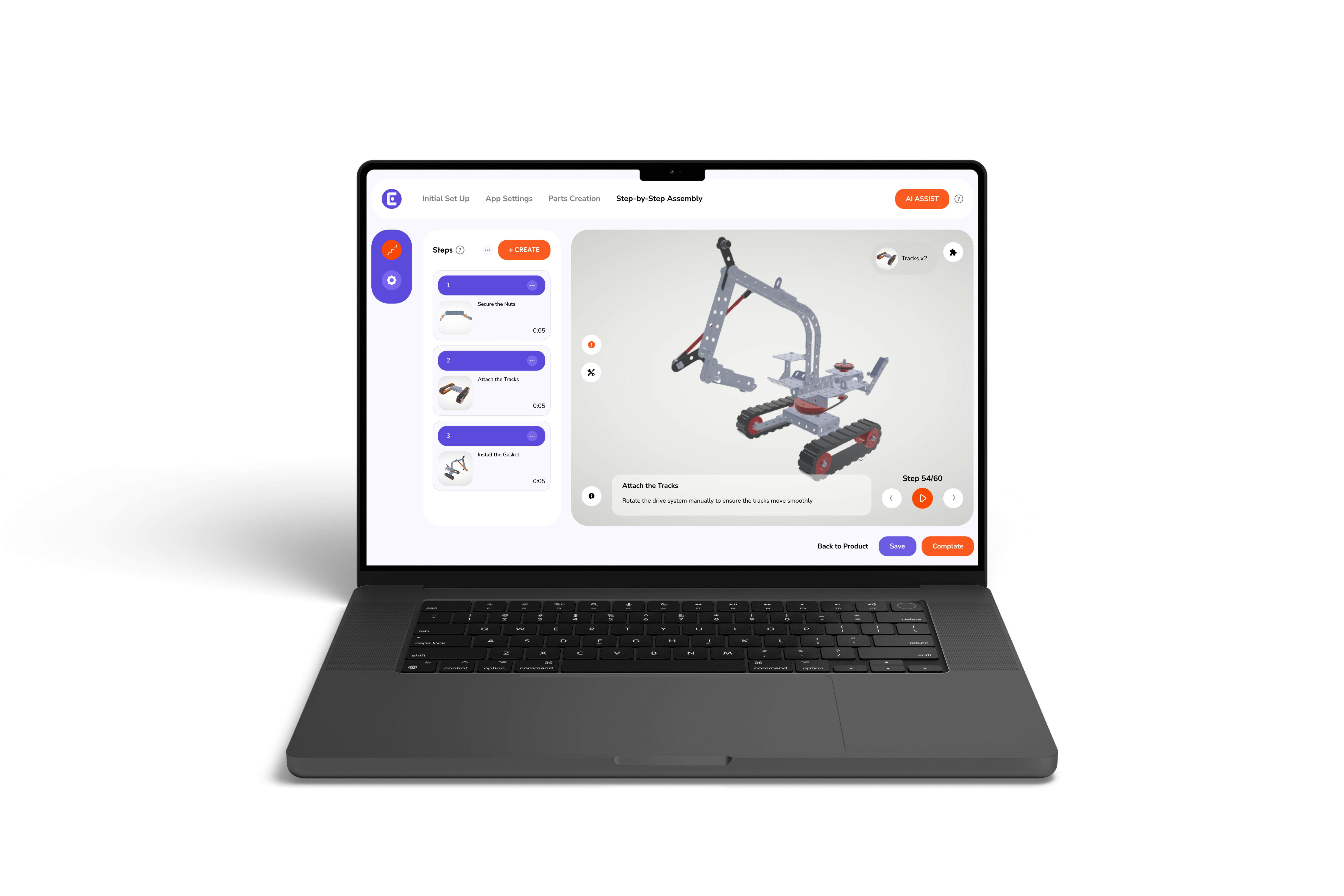
A 3D interactive assembly guide replaces the folded paper manual with a rotatable, zoomable 3D model of the product that walks a user through each build step visually. Instead of interpreting a flat line drawing, the customer sees the tent frame, camp stove, or canopy exactly as it will look in their hands — from any angle, at any stage of assembly.
This is part of a broader shift in product documentation. As covered in why manufacturers are replacing PDF manuals with 3D instructions, static PDFs simply weren't built for products with dozens of small parts and multiple valid orientations — exactly the profile of most camping equipment.
This is the same workflow outlined in how digital work instructions improve manufacturing and product efficiency, applied to the consumer, post-purchase side of the experience.
Camping gear sits alongside bikes, home gyms, and trampolines as one of the categories brands are digitizing first — see the full breakdown on the Sports & Recreation industry page.
Confusing assembly is one of the most preventable reasons a camping product gets returned. Customers who can't figure out a tent in the field are far more likely to leave a negative review than to call support from a trailhead. Interactive 3D guides address this directly — a pattern documented in how interactive assembly instructions reduce product returns and support tickets.
The upside compounds beyond the first setup: a guide that also supports teardown, seasonal reassembly, and part replacement turns a one-time instruction manual into a reusable resource the customer keeps coming back to — a shift explored in the future of product documentation and interactive digital manuals.
Easemble turns a brand's existing 3D or CAD files into an interactive, step-by-step assembly guide without requiring any coding or design work — see the full breakdown on how it works and the complete toolset on the features page. Guides can be embedded on a product page, linked from packaging via QR code, or sent directly in post-purchase emails, so the instructions are wherever the customer needs them, including offline at a campsite.
Brands evaluating the switch from paper manuals can estimate the potential impact on returns and support volume with the ROI calculator, or see the guide format in action by booking a demo.
What is a 3D interactive assembly guide?
It's a digital instruction manual that shows a product as a rotatable, zoomable 3D model, guiding users through each assembly step visually instead of through flat printed diagrams.
Do 3D camping assembly guides work without internet access?
Guides are viewed through a mobile browser and can be loaded before heading to a low-signal area, similar to saving a map for offline use, so setup instructions are available even at a remote campsite.
Can existing camping gear manuals be converted into 3D guides?
Yes. If a brand already has 3D or CAD models of the product, those files can be turned into an interactive assembly guide without redesigning the product or manual from scratch.
Do 3D assembly guides reduce product returns?
Assembly confusion is a leading cause of returns and negative reviews for camping and outdoor gear. Clearer, step-by-step 3D guidance addresses the confusion directly, which is why brands adopting the format report fewer support tickets and returns tied to setup issues.
What types of camping equipment benefit most from 3D guides?
Tents, canopies, camp stoves, portable furniture, and sleep systems benefit most, since these products involve multi-part builds, directional components, or locking mechanisms that are hard to explain with text or 2D diagrams alone.