June 26, 2026
How Poor Assembly Experience Silently Kills Furniture Retention And How to Counter It
.png)

Poor assembly experiences hurt furniture retention because they shape how customers remember the brand after purchase. Confusing manuals, unclear parts, and difficult setups can lead to support requests, returns, negative reviews, and fewer repeat purchases. Brands can reduce this by improving assembly guidance through digital tools like 3D instructions, AR support, QR-linked tutorials, and better part organization. By treating assembly as part of the customer experience, furniture brands can make setup easier, protect loyalty, and increase long-term customer value.
A customer can love the design, the price, and the promise of a new bookshelf, chair, or desk. Then the box opens, the instructions make little sense, and the whole experience changes tone fast. What should have felt like a satisfying Saturday project starts feeling like a test of patience.
That is the part that many furniture brands underestimate. Assembly is not just a final step in the packaging process. It is the first real use of the product, and often the first honest judgment of the brand.
In this blog, we will look at why repeat customers are lost at this stage, why traditional manuals keep failing, and what practical changes can make the post-purchase journey easier, clearer, and far more reliable.
When a customer struggles to assemble furniture, the damage goes beyond one bad afternoon. It can shape how they feel about the brand, how likely they are to buy again, and how they talk about the product later.
Assembly is also one of the few moments where the customer deals with the brand on their own. There is no salesperson to help, no ad to soften the edge, just the manual and the parts. If that experience feels rough, trust drops fast.
The cost is real, too. Retail returns can cost about 60% of an item’s original cost once shipping, inspection, restocking, and resale losses are factored in, so a confusing assembly experience can turn into a serious margin hit.
Common fallout includes:
The product may still work fine. The brand, though, has already paid for the confusion.
Furniture customers have changed, but many manuals have not. People expect clear digital guidance in daily life, yet brands still rely on flat diagrams and unclear instructions that force customers to figure things out themselves.
Traditional manuals often create three common problems: too much information at once, unclear part identification, and too much room for guesswork.
Common pain points include:
A difficult assembly process does more than slow customers down. It shapes how they remember the brand. Even if the furniture looks great once finished, the effort required to get there can influence whether they choose the same company again.
That is where customer lifetime value takes a hit. A brand may complete one sale while quietly losing the next one.
Furniture brands are moving away from static manuals because customers now expect clearer, more guided experiences. Digital assembly support helps reduce guesswork by showing users what to do instead of making them decode instructions.
AR and WebXR can place guidance closer to the real product, helping customers understand where parts fit and how they move. Even simple QR-linked visual guides can make assembly easier without adding complexity.
Digital tools work best when paired with better organization. Grouping parts by assembly stage turns a confusing pile of pieces into a clearer workflow, reducing mistakes and wasting time.
Videos, interactive models, and guided help give customers support when they need it most, reducing avoidable returns and support requests.
The goal is not to make the assembly look futuristic. It is to make the process easier, faster, and more reliable for everyone.
Read more: The Top 10 Most Frustrating Things About Furniture Assembly
The good news is that furniture brands do not have to guess where things go wrong. Assembly friction can be reduced with practical changes that improve the process before customers start complaining.
The first question is simple: when the box opens, can the customer understand what they are looking at within thirty seconds? If not, the process already feels harder than it should.
A quick audit should check:
Customers should not need expert skills to build everyday furniture. If two parts look similar, the guide needs to make the difference obvious.
Brands can improve this by:
Support logs help, but they only show the problem after it happens. Brands should identify where customers slow down, repeat steps, or abandon the process.
Furniture that is easier to assemble and disassemble is more likely to stay useful through moves and changing needs. A product that lasts longer also creates a stronger connection with the brand.
The future of modern furniture will rely on more than just static instructions alone. Customers expect products that respect their time, while brands need experiences that create loyalty instead of frustration. Those priorities are starting to align.
The setup process is no longer an invisible step. It shapes how customers judge whether a brand understands real-world use. A smooth assembly experience shows thoughtful design, while a difficult one can damage the entire ownership journey.
Guided workflows, AR support, and organized kits are making assembly easier and more intuitive. As these tools become more common, customers will expect clearer support from the brands they choose.
Also read: Common Furniture Assembly Problems: What Goes Wrong and How to Fix It
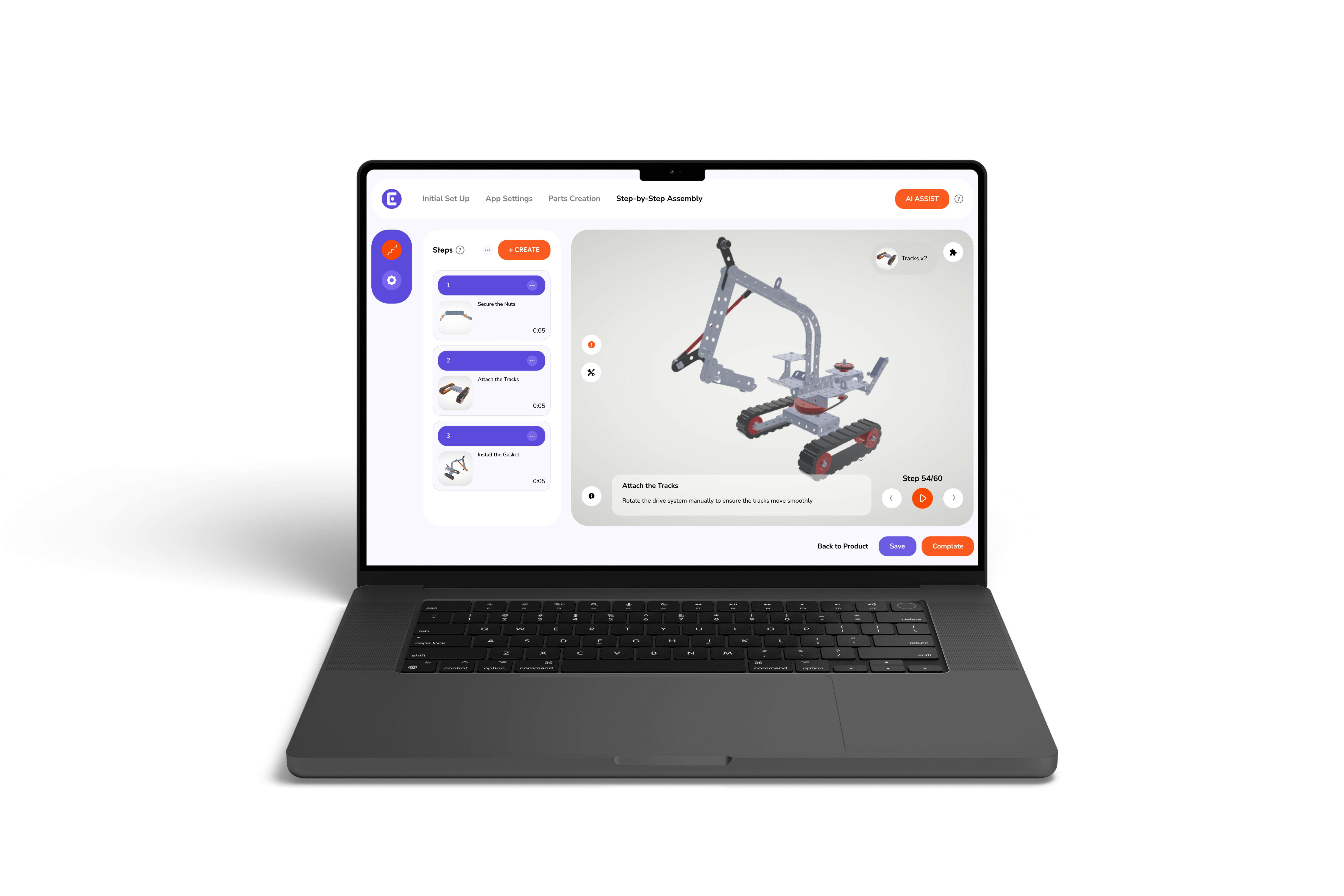
Easemble helps furniture brands turn assembly into a measurable part of the customer experience. Instead of static manuals, brands can create interactive 3D guides that show users each step while revealing where confusion starts.
With clearer guidance and real usage insights, teams can identify weak points faster, reduce avoidable support issues, improve post-purchase experiences, and protect long-term customer retention.
In practice, Easemble helps brands:
Assembly is not just another step in the furniture journey. It is the moment when customers decide whether the product, and the brand behind it, delivered on its promise. A confusing setup can weaken that relationship before it even begins.
Brands that want stronger retention need to treat assembly as part of the customer experience, not a forgotten instruction sheet inside the box. Easemble helps make that possible with clearer, interactive guidance that reduces confusion and improves post-purchase confidence.
Give customers a smoother build experience, reduce avoidable support issues, and create a stronger path to repeat business with Easemble. Talk to us today.
Because a difficult build creates frustration, extra work, and a weaker memory of the brand. That can reduce trust and make the customer less likely to buy again.
Yes. They often hide the exact details customers need most, like part orientation, step order and fit.
They show the build more clearly, reduce guesswork, and make it easier for customers to follow the steps without needing as much support.
It means making furniture easier to take apart and rebuild, which helps customers who move often and want products that last longer.