March 10, 2026
Common Furniture Assembly Problems: What Goes Wrong and How to Fix It

.png)

Furniture assembly looks simple until you open the box and meet a pile of screws, panels, and instructions that seem to fight back. That is where common furniture assembly problems usually begin, from missing parts to confusing diagrams and rushed steps. Well, here’s the thing: most of these issues are avoidable once you know what to look for. In this blog, we’ll break down the biggest trouble spots, why furniture assembly is hard, and how better guidance, including step-by-step assembly instructions, can make the whole process easier.
Furniture assembly often feels harder than it should because the job asks you to do a lot of small things correctly, all at once. You have to sort parts, match labels, read diagrams, and keep track of tools, while also making sure nothing goes in backward. That is a lot to juggle, especially when the pieces all look almost the same.
Another reason why furniture assembly is hard is that the process leaves very little room for error. One wrong turn early on can throw off the rest of the build. As a result, even a simple shelf can turn into a long evening project.
This is also why common furniture assembly problems show up so often. They do not always come from bad furniture; sometimes they come from a rushed start, unclear guidance, or a workspace that is too cramped to handle the job well. Once that is clear, it becomes easier to spot the real trouble points.
Most issues tend to repeat themselves, no matter what you’re building. Missing hardware is a major one, because even a single absent screw can bring everything to a halt. Misaligned holes are another common frustration, and they often make you think you messed up when the parts just need a second look.
Some of the usual trouble spots include:
Confusing labels also make things tricky. If two panels look alike, one small mix-up can lead to a shaky finish or even a restart. These furniture assembly mistakes can feel annoying in the moment, but honestly, they happen to almost everyone.
Moreover, instructions often skip key details, which leaves you guessing the correct order. That is why common furniture assembly problems are not always about the furniture itself; they are often tied to the manual. And once you notice that, it’s only natural to wonder what makes those instructions so difficult to follow.
A lot of assembly stress starts with the manual. Many paper guides cram too much into a small space, which makes the steps hard to read and even harder to compare with the actual parts. If the diagrams are tiny or the labels are unclear, the whole process slows down.
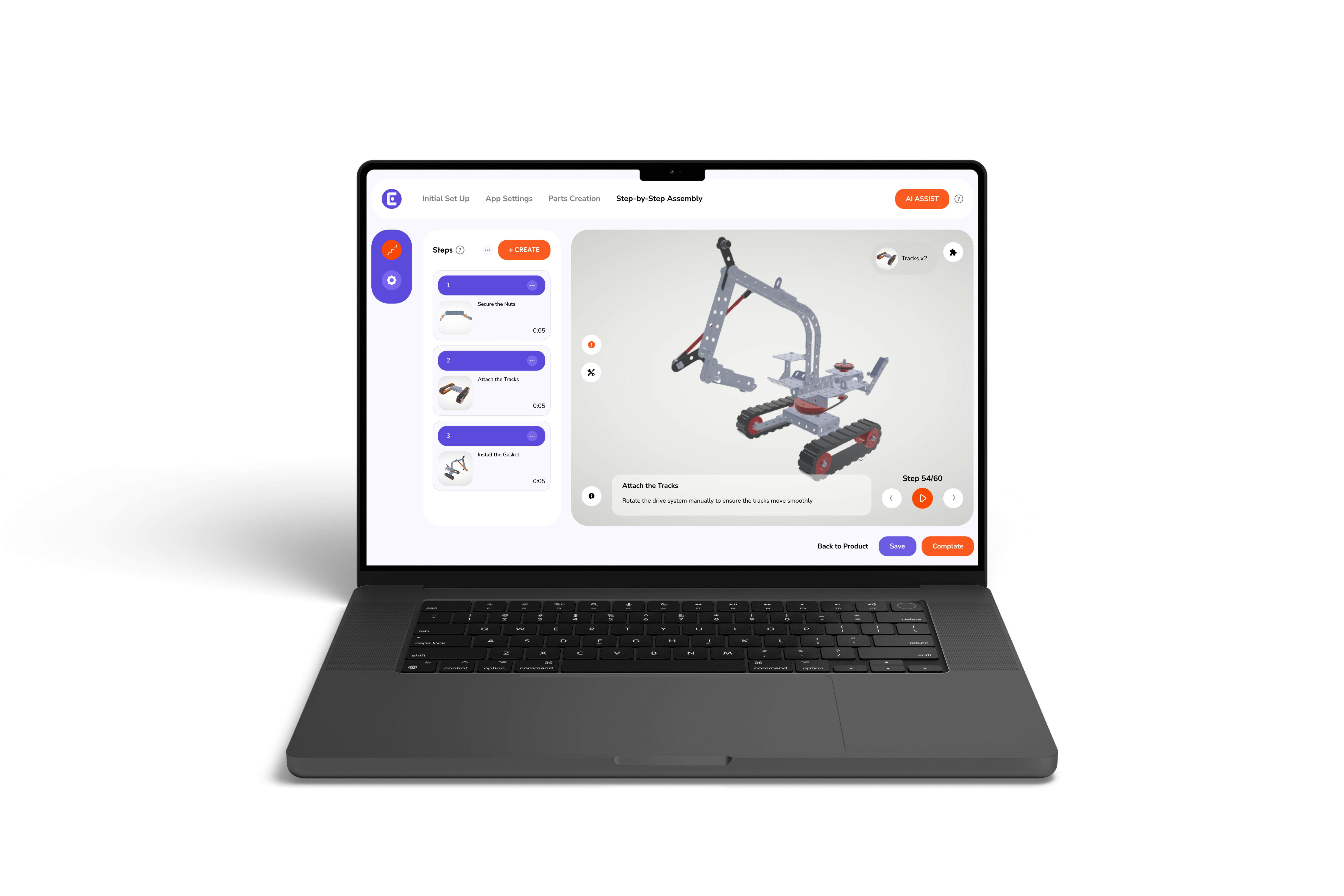
This is where step-by-step assembly instructions matter most. When instructions break the build into small, clear actions, people can follow along without second-guessing every move. Better still, interactive 3D assembly guides can show each part from different angles, which removes a lot of the confusion that paper manuals create.
That matters because common furniture assembly problems often come from simple misunderstandings. A clearer guide can prevent a wrong turn before it turns into a bigger issue. And once the instructions make sense, the workspace becomes the next thing to check.
Yes, they often are. A cluttered floor, poor lighting, or no flat surface can make even a basic build feel harder than it should. When parts are spread out in a messy pile, it becomes easy to miss a screw or grab the wrong panel.
Tools also matter more than people expect. If you do not have the right screwdriver or you keep stopping to search for it, the build loses its rhythm. That is when small delays start to feel bigger than they really are.
These setup problems may seem minor, but they add up quickly. In many cases, common furniture assembly problems are not just about the furniture or the manual; they are about how prepared you are before the first step begins. Once you know that, it becomes easier to avoid the mistakes that slow everything down.
Some mistakes show up so often that they really should come with a warning label. In fact, they are some of the most frustrating things about furniture assembly, and it shows; around 67% of people report real frustration during the process, with many even saying it leads to arguments. Skipping the full instructions is a big one; people dive in, then realize too late they missed a key step. Tightening screws too early is another, and it often makes later parts harder to fit.
Mixing up similar-looking parts is just as common. A left and right panel might look identical at first, but one small mix-up can throw everything off. And forcing pieces together without checking alignment usually makes things worse, not better. These small slip-ups are what turn common furniture assembly problems into longer, more frustrating tasks.
Here’s a quick look at the usual mistakes and what they lead to:
A little patience at the start can save you from most of these headaches later.
{{furniture}}
Yes, they often do. Interactive 3D assembly guides help people see the product from different angles and follow the build step by step, instead of guessing from a flat page. That visual clarity can make a huge difference, especially when parts are similar or the furniture has several stages.
This is also where 3D Interactive Manuals for Furniture stand out. They help users locate parts, understand the order of assembly, and stay on track without flipping back and forth through a paper booklet. In many cases, that means fewer errors and less backtracking.
Easemble’s assembly manual software is built around that idea. The platform says users can upload a 3D model, define steps with parts, tools, and warnings, then publish the guide through a link, QR code, or embed. It also supports mobile and tablet viewing, which makes the instructions easier to use where the assembly actually happens.
This is where Easemble stands out as a digital assembly solutions provider. It turns complex setups into clear, visual guides through interactive 3D manuals that are easy to follow, even without technical skills. Moreover, brands can create and update instructions quickly while tracking performance in real time.
For furniture companies, this means smoother builds with smart furniture assembly instructions that reduce confusion and support customers at every step. Features like part locating, QR access, and mobile-friendly guides help users right when they need it most.
In short, Easemble makes assembly feel manageable, helping reduce errors, support requests, and overall frustration.
A little preparation goes a long way. Start by laying out every part before you begin, then match the labels carefully, so nothing gets mixed up. Read the full guide once before touching a screw, because that one habit can prevent a lot of rework.
It also helps to keep your tools within reach and work on a flat, open surface. If possible, sort the pieces into small groups so you do not have to search for anything halfway through the build. That simple step can reduce the kind of common furniture assembly problems that happen when people rush.
And honestly, a slower start often saves time later. Once you move carefully at the beginning, the rest of the assembly usually feels much smoother.
{{furniture}}
Most common furniture assembly problems come from a few familiar causes: unclear instructions, missing parts, poor setup, and avoidable mistakes. The good news is that these problems do not have to control the whole experience. Clearer guidance, especially step-by-step assembly instructions and interactive 3D assembly guides, can make the process far easier for both customers and brands. If you are ready to improve the assembly experience, explore Easemble’s solutions and book a demo to see how better instructions can reduce frustration and save time.