November 24, 2025
How To Assemble a Skateboard Without Making Mistakes

.png)

If you’ve got a deck, trucks, wheels, and the idea to have some fun, then this guide is for you. We’ll show you step by step how to assemble a skateboard with care, so that you can avoid shaky trucks, loose bolts, or upside-down bearings. The aim is simple: one clean build that feels right underfoot. Along the way, you’ll see short tips, a short story from a first-time builder, and a small parts table to clear the fog. By the end, you’ll know not just how to tighten things, but why each step matters. For folks who want more tech, this closes with a note on 3D assembly instructions for sports equipment to help you learn visually.
Before you start, you need to gather a few parts and tools. Undeniably, without the right tools and parts, you will only prolong the process before you actually begin to assemble a skateboard.
A typical skateboard kit includes the following:
The tools you’ll need to assemble a skateboard typically includes:
Moreover, if you prefer, you can use a rubber mallet for gentle tapping when bearings go in. Furthermore, keep a clean table or floor space, a towel to protect the deck, and good light.
Moving forward, you should label each part before you touch it; that cuts confusion during sports equipment assembly. Moreover, knowing the hardware size helps when you swap parts later. Now that your kit is ready, we’ll move into the actual assembly steps and the exact order to follow, so nothing gets missed.
Before beginning to assemble a skateboard, you should keep one thing in mind: Always start each step calmly, because rushing is how bolts get cross-threaded or bearings get damaged. Now, let’s walk through a simple order that fits most boards. Below, each paragraph below is short and practical.
Lay the wheel on a flat surface. Press a bearing into one side until it sits flush, then flip and press the other side. If it’s tight, use the wheel on a truck axle as a press. Keep bearings straight; angled presses can bend the shield. A lightly oiled bearing is fine, but don’t soak it.
Slide the wheel with its bearings onto the axle, add a spacer if you have one, then the axle nut. Tighten until the wheel spins freely but without wobble. Check by flicking the wheel; it should roll for a second. Loose nuts are a safety risk, tight nuts can lock wheels.
For skateboard deck installation, attach trucks to the deck. Place the truck on the underside of the deck aligning the baseplate holes with the deck holes. Insert bolts from the top of the deck and thread the nuts on the underside. Tighten the bolts in a cross pattern (top-left, bottom-right, top-right, bottom-left) to secure evenly. Undeniably, this prevents cracking and keeps the decks flat.
Adjust kingpin tightness to suit your style. Looser trucks turn more easily, stiffer trucks are stable at speed. Use the skate tool to fine-tune. Stand on the board, lean left and right to test; adjust a half-turn at a time until it feels right.
Give the whole board a once-over: hardware tightness, wheel spin, and deck cracks. If something feels off, correct it before riding. A short test roll in a safe spot will show if any bolt loosens underweight.
So, if you follow steps in this order, you reduce the chance of mistakes and later make tuning simple, which makes it even simpler to assemble a skateboard. Next, we’ll run through tightening specifics and safety checks, so small issues don’t become big ones.
{{sports}}
Now, we will talk about the little adjustments that keep the board safe. First, start by tightening baseplate bolts, so the deck is snug against the trucks but not crushed. Then, use a cross pattern when tightening hardware to avoid stress on the deck. Don’t forget to check wheel bearings by spinning them; if they stop too fast, re-seat or clean them. Also, look for cracks near the bolts or along the deck’s surface; even small splits can grow.
For trucks: align kingpins, so they point toward the center of the board. Undeniably, that helps predictable turning. Moreover, test the board under weight and on a short push; listen for creaks and re-tighten any loose nuts. But, if you want to double-check mechanically, record a quick video of your setup to spot visible alignment issues.
Undoubtedly, these checks will keep the board reliable and make beginner rides safer. Next, we’ll look at how Easemble’s 3D guide helps avoid blunders.
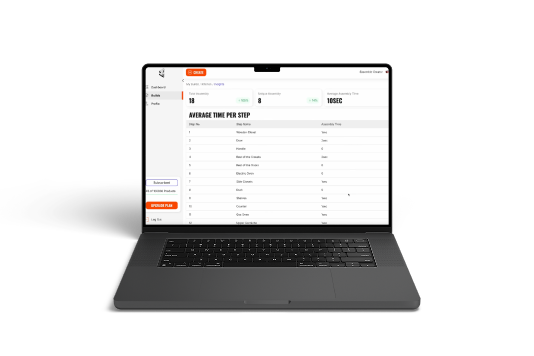
Easemble helps you make a 3D skateboard assembly guide that can visually guide the user through each move visually. So, instead of guessing torque or orientation, anyone can follow an interactive 3D skateboard setup tutorial that shows bolt angle, truck placement, and wheel bearings in motion. The guide can also include a step counter, and can pause tricky moves, so any action can be easily copied.
Undeniably, using 3D animations features and interactive instruction manuals means fewer mistakes for first-timers and pros alike. It’s practical and stepwise help, that matches what you see on your bench. And with that, let’s have a look at a few FAQs to answer the small but common questions people ask before their first ride.
{{sports}}
Now you know how to assemble a skateboard step by step, how to check alignment, and where riders often slip up. So, if you want a no-guess build, try a DIY skateboard assembly with visual steps that makes the job quicker and safer. Ready to build with confidence? Contact Easemble (a digital assembly solutions provider) and follow the interactive guide from parts unboxing to the first roll.
With an assembly guide, it takes about 20–40 minutes for a careful build.
Avoid power drivers on bolts; they strip threads fast. Instead, hand tools are safer.
No, most bearings are not directional but keep shields intact.
Yes, trucks point inward toward the board center for correct turning.
.png)