March 12, 2026
Why Your Furniture Brand is Losing Revenue to a Piece of Paper
We spend millions on the unboxing experience, then hand customers a black-and-white booklet from 1994.

.png)

It’s the sound of a heavy cardboard box hitting a hardwood floor. For your customer, it’s excitement—the start of a new home chapter. For your brand, it’s the beginning of the most critical ten minutes in the customer lifecycle.
They open the box. They see the components. And then, they reach for it: a small, black-and-white booklet.
At that moment, your customer is not thinking about your marketing, your branding, or your materials. They are thinking about whether they are about to lose three hours of their Saturday to a confusing furniture assembly manual.
In 2026, data suggests that “instructional friction” is responsible for a significant portion of non-defect returns. The product is correct, shipping is successful, but the instructions fail.
Companies invest heavily in the unboxing experience, yet often neglect the building experience. If assembly instructions are still static, they are not just outdated—they are actively creating friction.
We have entered an era where the product is not just the object, it is the process. When a customer buys modular furniture, they are entering into an experience with the brand.
Traditional furniture assembly manuals break that experience.
They rely on 2D line drawings that force a 3D human brain to perform mental translation. Is it “Screw A” or “Screw B”? Is the finished side facing up or down?
This is the instructional gap—the space between what the manual communicates and what the user understands.
When that gap widens, cognitive load increases. Frustration follows. And in an environment where expectations are high, frustration leads directly to returns.
Behavioral economics describes the “IKEA Effect”—the idea that people value products more when they help create them.
When assembly works, it builds pride and attachment.
But there is a breaking point.
If the assembly experience is confusing or overwhelming, the effect reverses. Instead of pride, the user feels frustration. Instead of connection, they feel resentment.
In the D2C furniture space, poor assembly experiences are one of the primary drivers of negative reviews. The product is not the problem—the instructions are.
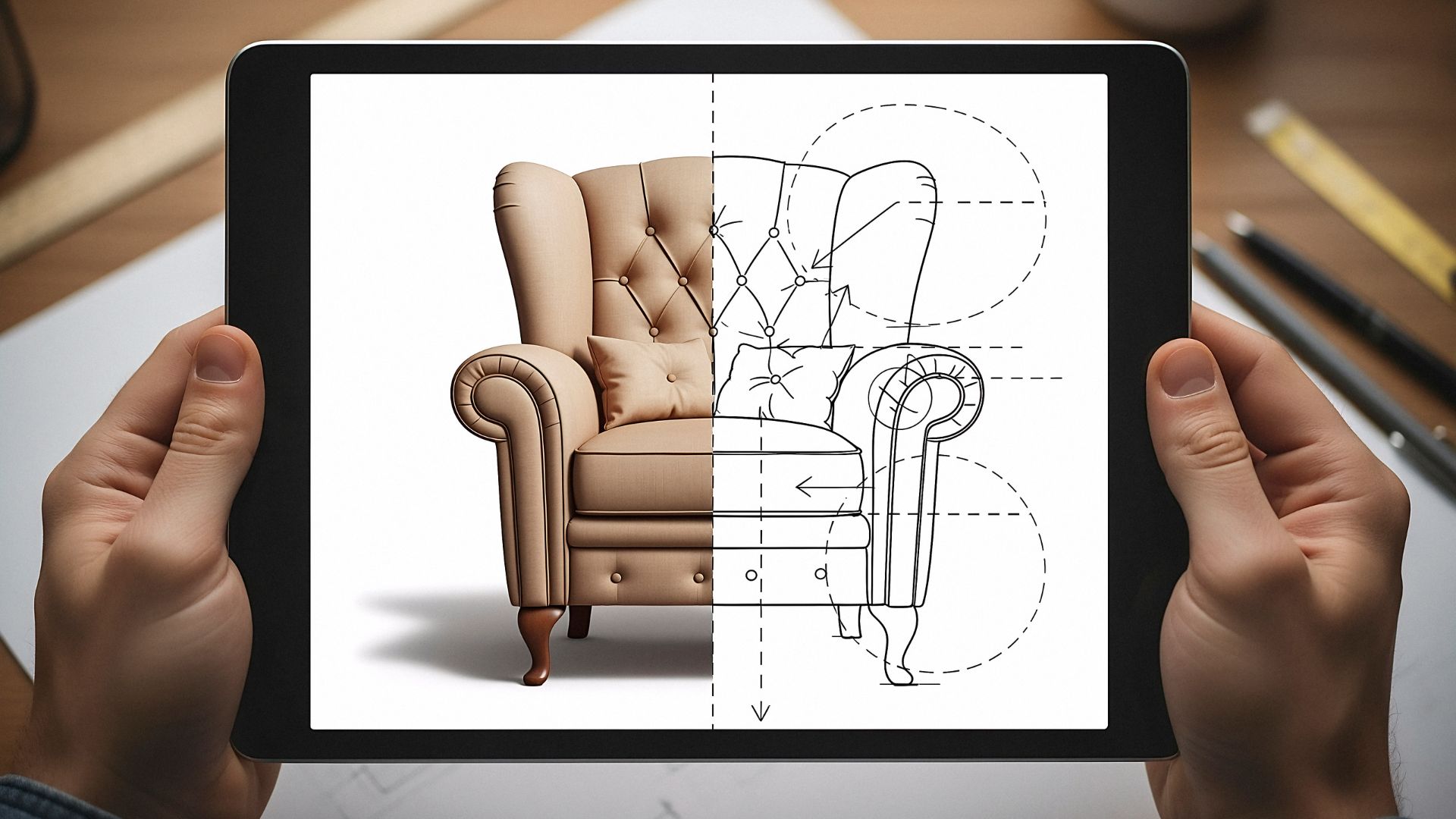
The solution is not better drawings. It is a better medium.
The industry is shifting toward interactive 3D assembly.
The old experience:
A customer squinting at a blurry PDF or flipping through a booklet that won’t stay open.
The new experience:
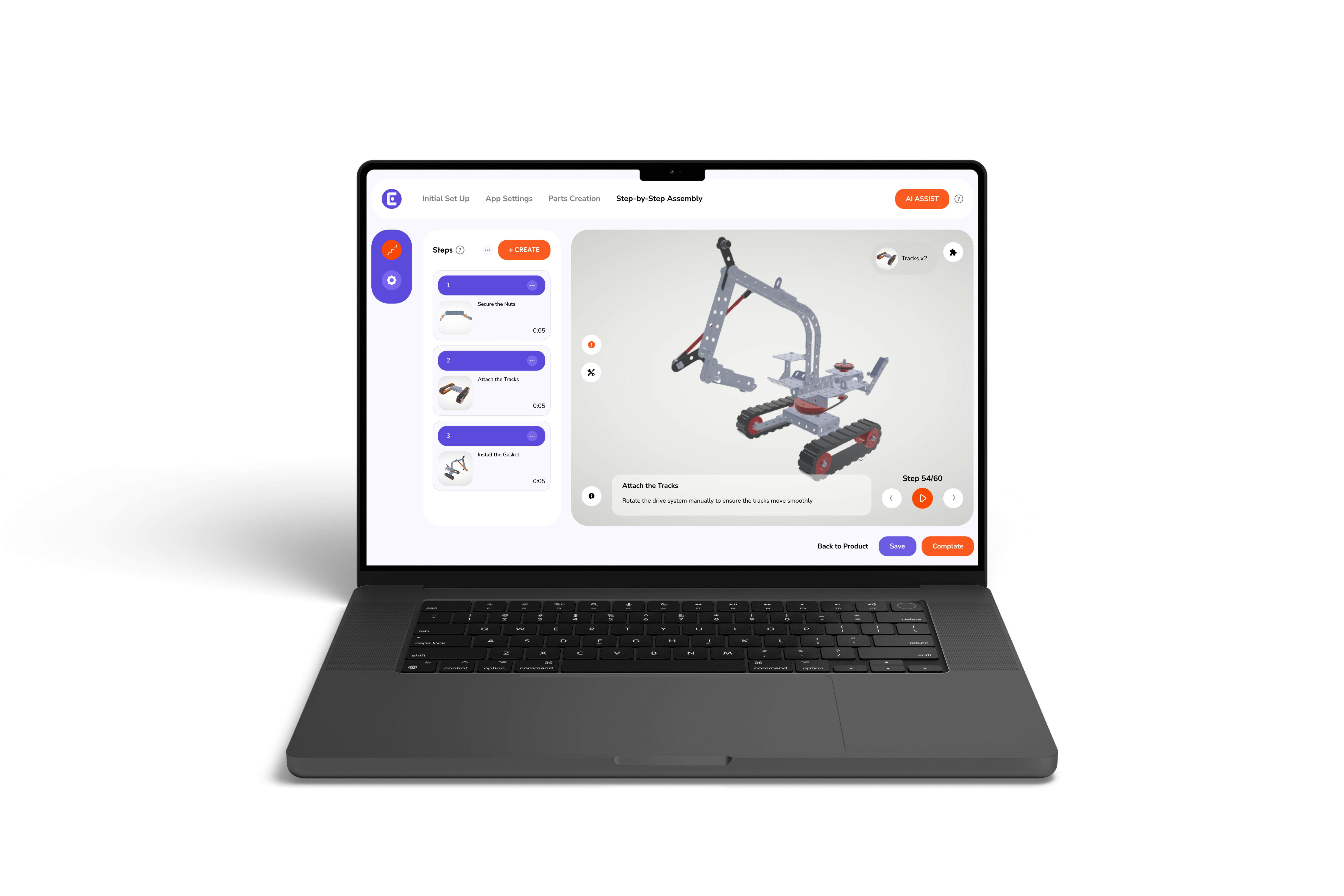
A customer scans a QR code. A digital version of the product appears. They can zoom, rotate, and watch exactly how each step is completed.
With 3D assembly guides, guesswork disappears.
This creates a universal visual language that does not rely on translation, localization, or interpretation. It aligns with how people naturally understand space and movement.
This is not only about user experience. It directly impacts business performance.
Return reduction
Assembly difficulty is a leading cause of non-defect returns. Reducing friction can significantly lower logistics and restocking costs.
Support reduction
Many support tickets come from confusion at specific steps. Interactive guidance provides answers before users reach out.
Sustainability
Shipping large paper manuals adds cost and environmental impact. Digital instructions reduce waste and align with modern expectations.
The future of assembly is not complex hardware. It is accessible, browser-based 3D.
By scanning a QR code, users can open a fully interactive model directly in their mobile browser. No downloads. No additional friction.
They can:
This creates a clear, guided experience that replaces guesswork with understanding.
Unlike paper manuals, digital instructions provide insight.
It becomes possible to see:
This feedback can improve not only the instructions, but the product itself.
If users consistently struggle with a step, the issue is not just communication—it is design.
In a competitive market, experience is a differentiator.
Preventing non-defect returns directly improves margins. Clear instructions improve satisfaction and brand perception.
Replacing static manuals with interactive experiences is not just a documentation upgrade. It is a shift in how products are delivered and understood.
Assembly is the final step of the customer journey, yet it is often overlooked.
Brands invest in marketing, e-commerce, and packaging, but the physical experience of building the product is where perception is formed.
A product is only as strong as the user’s ability to assemble it.
If the experience is clear and intuitive, it builds confidence. If it is frustrating, it erodes trust.
The era of static, confusing manuals is ending. The future is visual, interactive, and built around human understanding.