March 23, 2026
Why Tech Products Need Better Installation Instructions

.png)

A lot of tech products promise to make life easier. And to be fair, most of them do, once they are up and running. The problem is getting there. Setup is often where things start to feel unnecessarily complicated.
That is really the core of why tech products need better installation instructions. When the first interaction feels confusing, it quietly shapes how the whole product is perceived. It is not just about getting through the steps; it is about whether the experience feels smooth or frustrating.
So, it makes sense to pause here for a moment. Where does that friction actually come from, and what changes when the guidance finally starts to work with the user instead of against them?
A tech product can look polished on the outside and still cause trouble the moment setup begins. That is usually where the first frustration shows up. The parts may be fine, the product may work well, yet the user cannot get past the first few steps.
This is where device installation problems start to pile up. A cable is unclear. A screw looks optional. A QR code leads somewhere that does not answer the actual question. Small issues like that can turn a five-minute task into a long, annoying one.
And honestly, it rarely feels like the user is doing something wrong. It feels like the instructions are doing too little. That is why installation instructions for tech products matter so much. They do not just tell people what to do; they set the tone for the whole product experience.
Poor setup does more than waste time. It creates doubt. Once a user feels stuck, they start questioning the product itself. Is this missing a part? Did they buy the wrong version? Did they break something already?
That is one reason why tech products need better installation instructions, which keeps coming up in product teams. A weak start often leads to support calls, returns, negative reviews, and extra pressure on customer service. It also creates a kind of quiet frustration that is easy to underestimate.
For brands, that first setup moment is not a side issue. It is part of the product. If the product setup guide is hard to follow, the product can feel harder to trust. And trust, once shaken, is not so easy to win back.
A good manual does not need to be clever. It needs to be clear. People want to know what connects first, what comes next, and what to do when something does not fit the way they expect.
That sounds obvious, but many teams still miss it. They write for people who already know the product. Most buyers do not. They are learning as they go, and that means the instructions have to meet them where they are.
A helpful electronics installation guide usually does a few simple things well:
When these pieces are missing, users feel it fast. They may not say it out loud, but they notice when the guide works against them instead of with them.
Not every product is hard because it has many parts. Some are hard because they depend on apps, Wi-Fi, Bluetooth, or account setup. That is where smart device setup issues start. A device may be physically simple, but the digital side can become the real hurdle.
This is one reason many teams now rethink why tech products need better installation instructions from a broader angle. The guide cannot stop at the hardware. It has to explain pairing, app access, update prompts, and those tiny steps people usually guess at.
That is also where static paper manuals fall short. A printed page cannot react when a user gets stuck on step four. A better setup flow needs room for branching paths, visual cues, and quick checks that match how people actually work through a product.
This is where digital formats start to shine. A flat page can explain a lot, but a moving visual can explain more with less effort. That is especially true for products with layered setup steps or parts that look similar.
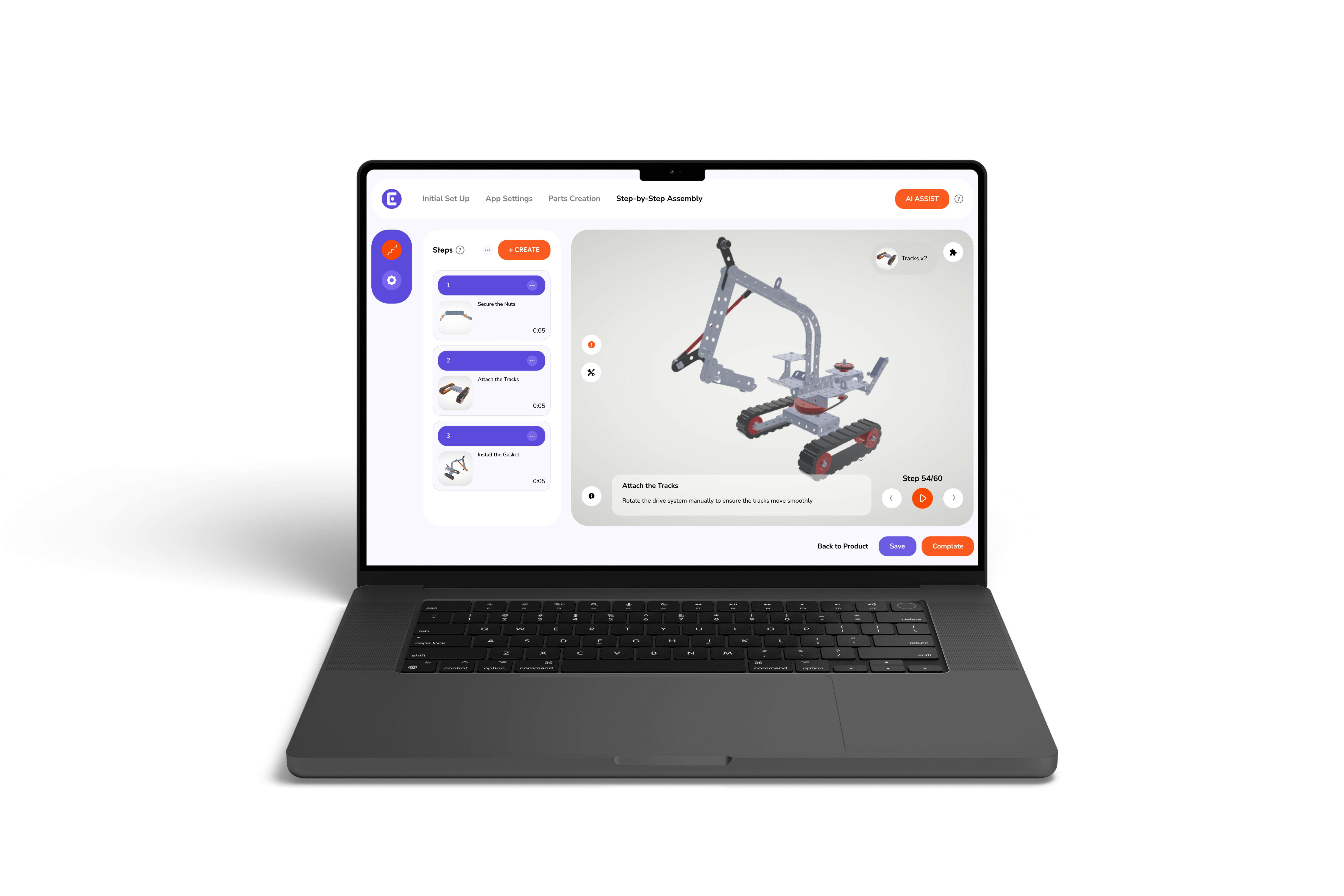
Many teams now turn to Interactive Instruction Manuals because they reduce guesswork. Instead of reading a block of text and hoping for the best, users can follow a sequence that feels more natural. They can see the order. They can compare parts. They can pause and check what they are holding.
For more complex products, 3D assembly manuals for electronic equipment can make a real difference. It can have a built-in 3D animation feature that shows each action in motion. These tools do not just look modern; they help people understand what to do next without second-guessing every step.
That is why tech products need better installation instructions, which is not only a content issue. It is a usability issue. The format matters just as much as the words.
There is a tendency to think setup help is only about fixing mistakes after the fact. In practice, it starts much earlier. It begins with how the product is introduced, how the steps are ordered, and how much pressure the user feels in the first few minutes.
We often see that device installation problems come from missing context, not missing intelligence. People are capable. They are simply not being given enough clarity. A good guide respects that. It does not talk down. It does not drown the user in detail either. It finds the middle ground.
That is also why installation instructions for tech products should be tested like the product itself. If a user can misread a step, skip a warning, or miss a part label, the guide needs work. The product is only as easy to set up as the instructions allow.
In many cases, the product is not the issue; the setup is. We have seen that even well-built tech can lose users during installation when guidance feels unclear or incomplete. That is where Easemble comes in.
We focus on making the setup easier to follow through with clearer, more visual instruction formats. Instead of relying only on static manuals, we support step by step flows that users can actually understand in the moment.
This includes interactive instruction manuals, 3D assembly manuals for electronics equipment, and a practical 3D animation feature. As a digital assembly solutions provider, we help shift instructions from confusing to usable, so users spend less time figuring things out and more time getting started.
When setup gets easier, the whole experience changes. Users feel less frustrated. Support teams handle fewer repeat questions. Brands see fewer avoidable returns. And maybe most importantly, the product feels more polished from the very start.
A strong product setup guide does more than explain assembly. It shows care. It tells the buyer that the company expected real human confusion and planned for it. That matters a lot more than people sometimes admit.
For tech companies, this is a useful reminder. Good products do not only need smart engineering. They need clear handholding at the exact moment people need it most. That is usually the difference between a decent first impression and a strong one.
When you step back and look at it, the idea behind why tech products need better installation instructions is pretty simple. Setup should feel like a starting point, not a hurdle. People buy technology to use it, not to decode it. In fact, 54% of customers would return a no-fault product if it were hard to install, which says a lot about how much that first experience really matters.
Clear guidance makes a quiet but powerful difference. It reduces smart device setup issues, cuts down on device installation problems, and builds trust in the electronics installation guide itself. More importantly, it helps users feel like they are moving forward, not getting stuck.
And maybe that is the real point. Good installation instructions for tech products do not just explain steps; they shape the first impression. When that experience feels smooth, everything that follows tends to feel right too.