May 18, 2026
He Was Crying Over an IKEA Manual. We Were Taking Notes for Easemble.

.png)

The box is open. The screws are counted. The panels are all over the living room floor. And somewhere between page 12 and page 13 of a badly drawn IKEA manual, a grown man is sitting in silence, close to tears.
That is not a made-up feeling. It is the kind of emotional moment that made Easemble matter. When a simple build turns into confusion, the product stops feeling helpful and starts feeling heavy.
This blog looks at why that happens, what it costs brands, and why clearer interactive instructions are becoming the better way forward.
A product usually arrives with a clear promise. A shelf should make a room feel organized, a desk should make work easier, and a chair should feel like one small win at the end of the day. But all of that can fall apart the moment the instructions stop making sense.
We once watched a grown man break down in tears over an IKEA manual, not because the product was broken, but because the instructions were so unclear that a simple Sunday task turned into a moment of real defeat.
It was a small moment on the surface, but it said a lot about how badly a manual can shape the full experience.
Paper manuals are fixed. They cannot rotate, zoom, or show movement. That sounds minor until you are standing there with two similar parts and one vague diagram. At that point, every small detail matters.
This is where many people get stuck. They do not lack patience. They lack clarity. A tiny sketch and a few arrows are often not enough when a real person is trying to build something in real time.
When assembly goes wrong, people rarely blame themselves first. They blame the product and the company behind it. That reaction is natural because the manual is part of the product experience.
A confusing setup can leave a bad first impression, even if the item itself is strong. The customer feels frustrated, the brand feels distant, and the whole moment turns from exciting to tiring.
This is exactly why the process of assembly is more than a technical step. It is the first real test of the customer experience, and it leads straight into the hidden cost of bad instructions.
If a product is hard to build, the damage spreads quickly. Support teams get more calls. Returns go up. Reviews get harsher. The manual may look like a small part of the package, but it can shape the whole result.
A bad manual can create problems long after the box is opened. Here are the issues brands often deal with:
None of that helps the product. It adds friction where there should be confidence. It also makes the brand look less careful than it really is.
Poor assembly instructions do not just frustrate customers. They also drain money from the business side. A single customer support call can cost companies anywhere from $5 to $20, depending on the issue and support channel.
Product returns are even more expensive, often costing 20% to 65% of the product’s original price once shipping, inspection, repackaging, and lost inventory value are included.
For brands selling at scale, those numbers add up fast. Even a small decline in paper assembly-related complaint calls can save hundreds of thousands of dollars over time while simultaneously improving product reviews and customer satisfaction.
The best manual is the one people do not have to fight with. When the instructions match the way people think, the build feels more natural. That is where 3D construction assembly guides do their best work.
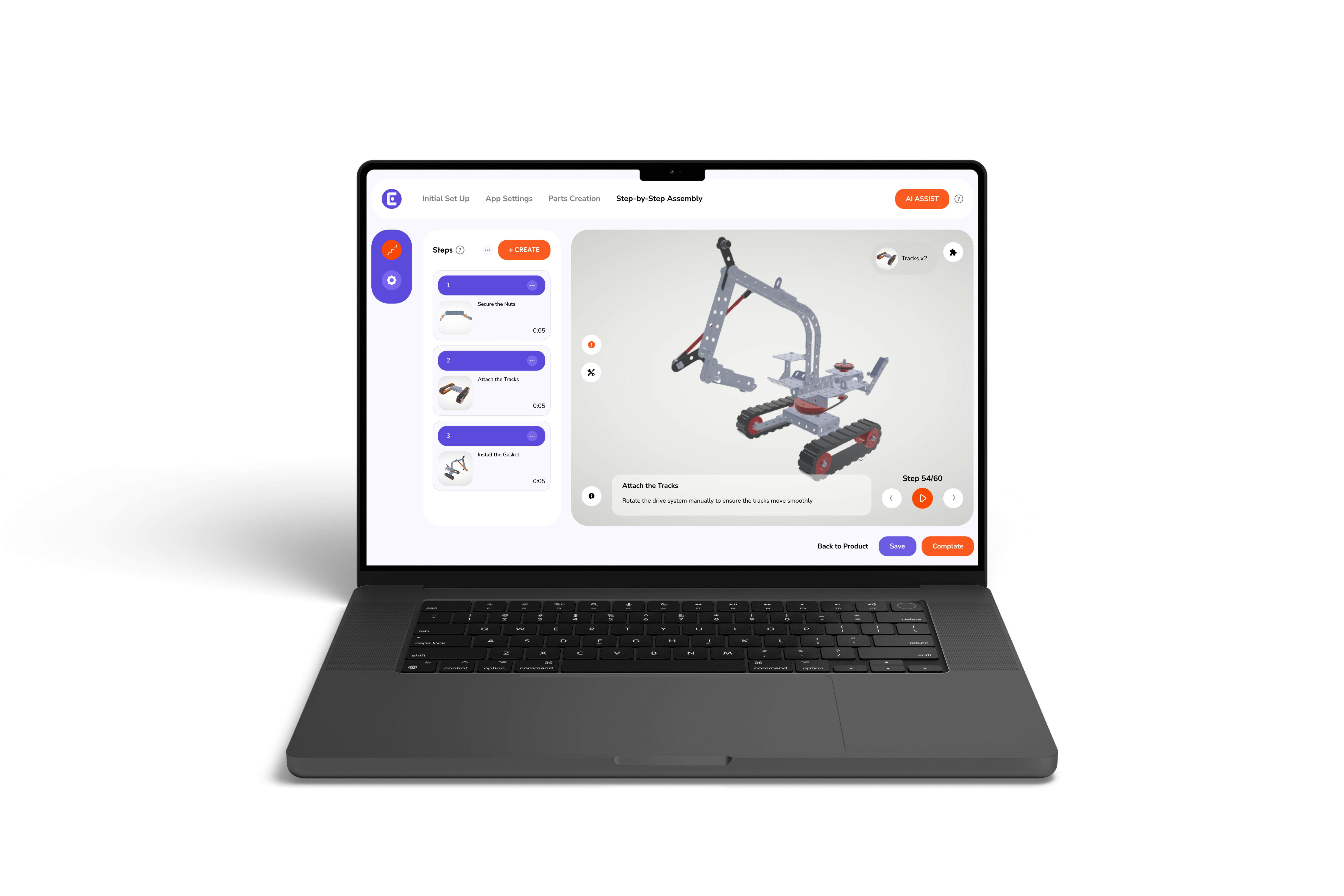
Instead of relying on static diagrams, users can follow visual steps in real time. They can rotate parts, zoom into details, and clearly see how pieces connect. That removes much of the guesswork that causes frustration.
That shift matters because customers now expect better help than a blurry booklet. They want a guide that feels clear from the first step to the last.
Modern products need better instructions than a static paper booklet. Easemble helps brands replace confusing manuals with clearer, more visual guidance that people can actually follow without frustration.
A good manual should do more than list steps. It should show users what goes where and how each part fits together. That is where assembly manual software and 3D assembly manuals make a real difference.
With Easemble, users can follow the build in a more natural way instead of flipping between pages and guessing if the diagram is correct. The process feels clearer, faster, and much less stressful.
Many companies now want an instruction manual creator that helps customers succeed on the first try. Interactive guides reduce confusion, lower support requests, and create a smoother setup experience from start to finish.
That transition matters because your customers need simpler setup instructions that are easy to understand. Easemble helps brands meet that expectation with visual guides for furniture, warehouse racks, boltless shelving, and many other products that require step-by-step assembly.
A confusing manual can turn a simple build into a bad experience. It can slow the customer down, raise support costs, and leave a strong product looking weak. Easemble exists to fix that gap with clearer, smarter, and more human-friendly instructions.
If your brand wants to improve setup, reduce friction, and give customers a better first experience, the next step is simple: turn your static manual into a clear interactive guide with Easemble. That is how you make the build easier, the customer happier, and the first impression stronger.
Reach out to us and cut assembly-related returns and support calls in your first 30 days with Easemble.
Assembly rage is the frustration people feel when a product manual is hard to follow. It usually happens when the parts are ready, but the instructions are not clear enough.
Paper manuals cannot move or show action. They are flat and fixed, which makes them harder to use when parts look alike or when steps need to happen in a certain order.
They make the setup easier to understand. The user can see the product more clearly, follow the steps faster, and make fewer mistakes along the way.
Easemble works well for products that need assembly or setup, especially those that benefit from visual guidance, such as furniture, shelving, and warehouse equipment.